The Caustic Beauty of Lake Natron
Lake Natron, located in northern Tanzania, is one of the most extreme environments on Earth. Its waters are hyperalkaline, with pH levels sometimes exceeding 12, and temperatures can reach up to 60 degrees Celsius. This combination of alkalinity and heat creates a habitat that is inhospitable to most life forms, yet it teems with specially adapted organisms. The lake’s striking red and orange hues, caused by salt-loving microorganisms, add to its surreal, otherworldly appearance. For scientists and nature enthusiasts alike, Lake Natron offers a unique window into the limits of life and the processes of preservation.
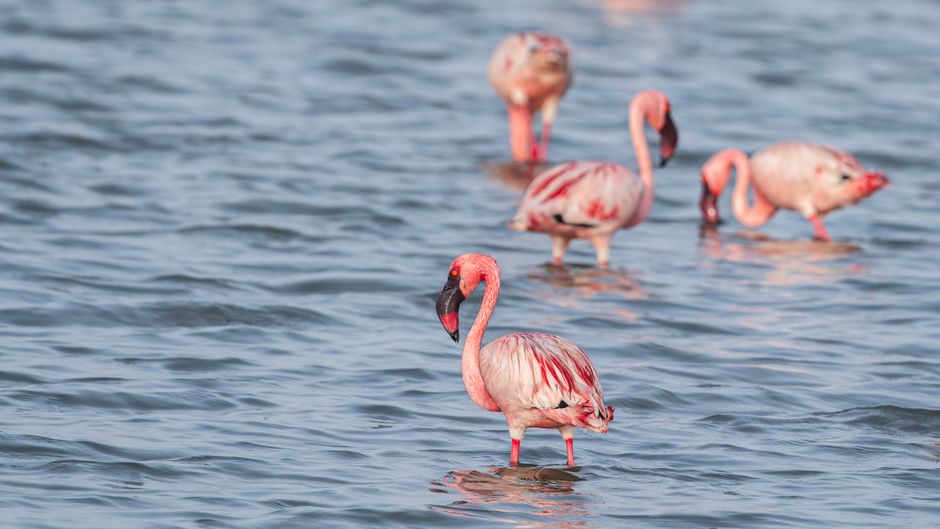
Despite its harsh conditions, Lake Natron is not lifeless. It is home to a community of extremophiles, including cyanobacteria and halophilic archaea, that thrive in its alkaline waters. These organisms not only survive but also contribute to the lake’s distinctive coloration and chemistry. The lake also serves as a critical breeding site for lesser flamingos, which feed on the cyanobacteria. However, the same conditions that support these life forms can be lethal to others. The caustic nature of the water and the presence of high salt concentrations can result in the calcification of animals that come into contact with it, leading to their preservation as lifelike statues. This phenomenon has sparked curiosity and awe, as well as scientific inquiry into the processes behind it.
Understanding Lake Natron requires a closer look at the geological and chemical forces that shape it. The lake is fed by mineral-rich hot springs and rivers, which carry sodium carbonate and other salts from the surrounding volcanic rock. Because the lake has no outlet, these minerals accumulate over time, creating a highly alkaline, saline solution. The intense heat and dry environment accelerate evaporation, further concentrating the salts. These conditions, while extreme, are precisely what enable the unique forms of life and preservation found here. By examining these processes, researchers can gain insights into both the resilience of life and the transformative power of natural chemistry.
The Chemistry Behind the Caustic Waters
The hyperalkalinity of Lake Natron is a result of its unique geological setting. The lake lies in the East African Rift Valley, where volcanic activity has produced rocks rich in sodium carbonate. Rainwater and hot springs dissolve these minerals, carrying them into the lake. Since the lake is closed, the only way water leaves is through evaporation, which leaves the salts behind, progressively increasing their concentration. This process has created a brine saturated with sodium carbonate, sodium bicarbonate, and other compounds, leading to pH values that can rival those of ammonia or bleach.
These chemical conditions have profound effects on the organisms that encounter them. For most animals, the high alkalinity and salt content cause dehydration and damage to skin and eyes. The water’s caustic nature can burn and irritate tissues, and the lack of oxygen in the deep layers further limits life. Yet certain microorganisms have evolved to not only tolerate these conditions but to rely on them. Cyanobacteria, for instance, use photosynthesis to convert sunlight into energy, and they thrive in the lake’s shallow, oxygen-rich zones. Their presence forms the base of a food web that supports some birds and invertebrates, demonstrating that even in extreme environments, life finds a way.
The chemistry of Lake Natron also plays a role in the preservation process. When animals die in or near the lake, their bodies become coated with salt and carbonates as the water evaporates. Over time, these minerals can accumulate, forming a crust that encases the carcass. The high pH and high salt content inhibit decomposition by bacteria, allowing the body to mummify naturally. The resulting specimens are not petrified in the traditional sense but are remarkably well-preserved, sometimes retaining intricate details. This ongoing natural experiment offers scientists a rare opportunity to study the interplay between chemistry and biology under extreme conditions.
Life Thriving in Extremes: The Extremophiles of Lake Natron
The extremophiles that inhabit Lake Natron are marvels of adaptation. These microorganisms, including cyanobacteria, halophilic archaea, and algae, have developed specialized mechanisms to survive in high salt and alkaline environments. For example, their cell membranes contain unique lipids that prevent leaching of water and maintain integrity. They also produce proteins that function optimally at high pH, and many accumulate salts internally to balance osmotic pressure. These adaptations are not only fascinating but also of interest to biotechnologists who study extremophiles for potential applications in industry and medicine.
The distribution of these organisms within the lake is not uniform. In the shallower, warmer areas, dense blooms of cyanobacteria create vivid red and orange patches, which are visible from space. These blooms are particularly abundant during the dry season when evaporation concentrates the water even further. The high productivity of these organisms supports a small but stable ecosystem, including brine flies, which feed on the microbial mats, and the lesser flamingos that flock to the lake to breed. The flamingos actually benefit from the harsh conditions, as they build their nests on islands of salt and mud, away from most predators.
Studying extremophiles provides valuable insight into the potential for life on other planets. Environments like Lake Natron serve as analogues for conditions that might exist on Mars or Jupiter’s moon Europa, where extreme chemistry and temperature are common. By understanding how life survives here, researchers can refine the search for extraterrestrial life. Moreover, the enzymes and proteins produced by these organisms are often more stable than their counterparts from ordinary environments, making them useful in industrial processes that require resistance to heat or chemicals. Despite the prohibitive conditions, Lake Natron is a hotbed of biological innovation.
The Phenomenon of Preservation: Animals Calcified in Time
Perhaps the most haunting aspect of Lake Natron is the remarkable preservation of animals that die in its waters. The process is not instantaneous but rather a slow accumulation of minerals. When an animal’s body falls into the lake, the salty, alkaline water coats it with a layer of sodium carbonate and other salts. As the water evaporates, the minerals crystallize, gradually encasing the entire carcass. This process can take weeks or months, and the resulting “statues” are often brittle but intact, with feathers or fur preserved in perfect detail.
It is important to note that preservation is not guaranteed for every animal that enters the lake. Many factors influence whether a carcass is preserved, including the animal’s size, the duration of exposure, and the concentration of salts at the time. Moreover, the lake’s shallow waters and fluctuating levels can expose or submerge remains, leading to decay if conditions change. Nevertheless, the preserved animals that have been discovered have captivated the public’s imagination, often appearing in photographs as eerie, calcified figures. Scientists caution that these images do not convey the full picture; preservation is a natural phenomenon, but it is not the macabre result of a deliberate chemical process. Rather, it is a consequence of the same evaporation and mineral deposition that shapes the lake’s crust.
Researchers study these preserved specimens to gain insight into past environmental conditions and the composition of the lake at different times. For instance, the presence of certain minerals in the encrustations can indicate historical pH levels or water temperatures. Additionally, the study of these natural mummies can inform conservation efforts, as understanding the conditions that lead to preservation at Lake Natron may help protect other delicate ecosystems. While the lake’s chemistry can be lethal, it also preserves a record of biological history, offering a unique window into the past.
Cultural and Environmental Significance
Lake Natron holds cultural importance for the local Maasai communities, who have lived in the region for centuries. The lake’s name, derived from natron, a naturally occurring mixture of sodium carbonate and sodium bicarbonate, reflects its historical use in ancient Egyptian mummification. For the Maasai, the lake and its surroundings are part of their ancestral lands, and they maintain a deep connection to the area’s seasonal cycles and wildlife. They have traditionally used the lake’s minerals for livestock and other purposes, though modern management is focused on conservation.
In recent years, Lake Natron has gained international attention as a site of ecological and geological significance. The lake is part of the Lake Natron Basin, which is recognized as a Ramsar wetland of international importance due to its role as a breeding site for lesser flamingos. Climate change and proposed development projects, such as soda ash extraction, have raised concerns about the lake’s future. Conservationists argue that the lake’s unique chemistry and biodiversity are irreplaceable, and any alteration could have severe consequences for its inhabitants. Balancing economic interests with environmental protection remains a challenge for Tanzania.
The natural phenomena at Lake Natron underscore the delicate interplay between geological forces and living organisms. The lake serves as a reminder that even the most caustic environments can be both destructive and creative. For those who study it, Lake Natron offers an opportunity to explore fundamental questions about the limits of life and the processes that shape our planet. As researchers continue to investigate, the lake will undoubtedly yield further secrets, deepening our appreciation for the complexity and resilience of the natural world.